Published by Freight Forwarder Canada
Every year starting October 1st, China observes National Day with a seven-day public holiday known as Golden Week. During this week, factories, offices, and supplier facilities across the country shut down completely, and port operations drop to skeletal staffing levels. For Canadian businesses buying goods overseas, this holiday creates one of the most challenging shipping windows of the entire year because it lands right at the start of the autumn holiday inventory rush.
If you need your inventory in Canadian distribution centres for Black Friday, Cyber Monday, or the December holiday shopping season, your cargo needs to move well before October 1st. Waiting until mid-September to organize your shipping from China to Canada usually means facing cancelled ocean sailings, severe container shortages, and freight rates that jump week over week. Planning around Golden Week is not just about avoiding a seven-day holiday. It is about staying ahead of a multi-week supply chain disruption that affects ocean, air, and inland transport.
Why Golden Week Creates a Logistical Bottleneck
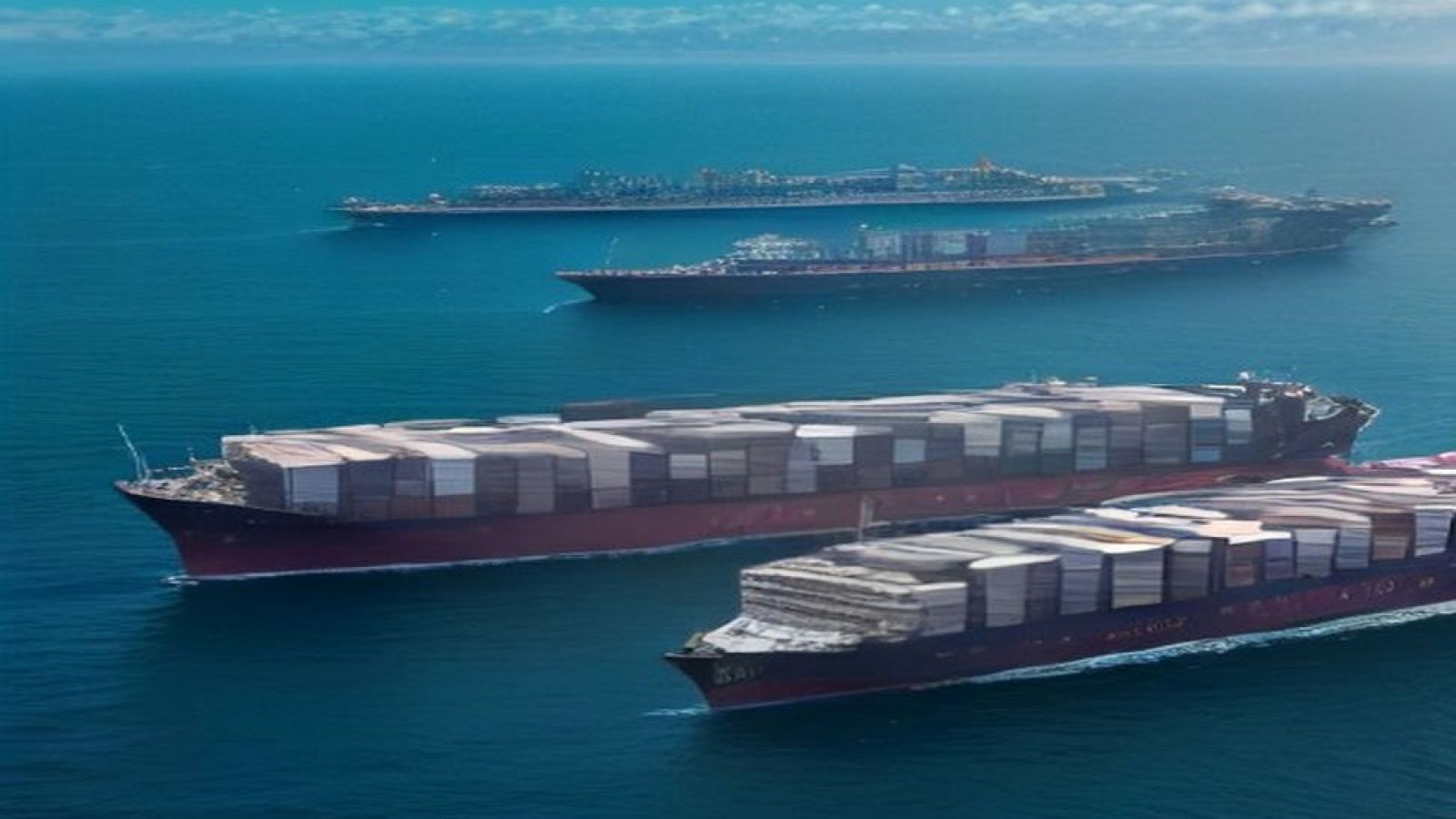
The disturbance caused by Golden Week comes from a sudden burst of factory output followed immediately by a total stoppage. In the two to three weeks leading up to October 1st, Chinese factories work at maximum capacity to complete production runs and push orders out the door before workers leave for the holiday. This causes a massive surge of container traffic at major ports like Shanghai, Ningbo, Yantian, and Qingdao.
Ocean carriers respond to this sudden surge in two distinct ways. First, they introduce Peak Season Surcharges (PSS) and raise spot rates as container space becomes scarce. Second, they overbook vessels to ensure ships sail completely full. When ships run out of space, carriers roll lower-priority containers to subsequent sailings. If your container gets rolled right before the holiday, it can sit at an origin terminal for two weeks or more until active schedules resume.
Once October 1st arrives, factory output drops to zero for at least seven days. Because there is virtually no cargo coming out of factories during the holiday week, ocean carriers schedule blank sailings. A blank sailing occurs when a line cancels a scheduled port call or an entire voyage to adjust for low cargo supply. These blank sailings continue for two to three weeks after Golden Week ends, drastically reducing available container capacity throughout October. As a result, the backlog created before October 1st takes weeks to clear after operations restart.
Key Timeline Cut-Offs for Golden Week Freight
To keep your supply chain running smoothly, you must work backward from October 1st rather than relying on standard transit estimates. Safe planning requires booking cargo space three to four weeks before the holiday begins.
For Full Container Load (FCL) ocean freight, your cargo ready date (CRD) should ideally fall between September 10 and September 15. Container bookings must be confirmed with your freight forwarder by late August or the first week of September at the latest. This buffer ensures your container can be picked up, carted to the port terminal, cleared through Chinese export customs, and loaded onto the vessel before the pre-holiday vessel cut-off dates.
Less than Container Load (LCL) shipments require even earlier cut-offs. Because LCL freight must be delivered to an origin consolidation warehouse (CFS) where multiple shipments are packed into a single container, consolidation facilities enforce deadlines that are 5 to 10 days earlier than FCL cut-offs. If your factory finishes production on September 20th, it is often too late to catch an LCL ocean vessel before Golden Week. You can review how FCL and LCL shipping differ in cost and timing to decide which method fits your volume and schedule.
Air freight provides a tighter emergency window, but it is not immune to holiday pressures. Air cargo cut-offs generally fall around September 25 to 27. However, as ocean space fills up, desperate shippers turn to air transport, driving charter and scheduled air rates upward. Booking space on air freight services well in advance is essential if you want to avoid paying extreme spot rates in late September.
What Happens When Your Freight Arrives in Canada
Ocean transit times from primary Chinese ports to Canadian West Coast gateways typically range from 14 to 20 days, depending on the carrier loop and whether the vessel calls direct or makes transshipment stops. That means the wave of containers pushed out of China right before Golden Week arrives at West Coast ports like Vancouver and Prince Rupert between mid-October and late October.
When dozens of heavily loaded container ships dock simultaneously, Canadian port terminals experience sudden spikes in volume. Ocean terminals in Vancouver handle high container counts during this window, which can stretch terminal dwell times. Once containers are offloaded from ships, they must be transferred to rail cars operated by CN or CPKC to travel to inland distribution hubs like Calgary, Toronto, or Montreal.
If rail yards experience equipment imbalances or terminal congestion, inland transit times increase. A container that normally takes 7 days on the rail from Vancouver to Ontario might sit in a port rail yard for 4 to 6 days before moving. Importers targeting fall retail events must factor these potential domestic delays into their master schedule.
For example, an importer bringing in seasonal footwear destined for a retail launch in Toronto might have a factory completion date of September 18. If the shipment misses the final pre-holiday ocean departure, it will sit in Ningbo until an October 12 sailing. After a 16-day ocean voyage to Vancouver, 5 days of port dwell, and 8 days of rail transit to Ontario, the container arrives in Toronto in early November instead of early October, leaving almost no buffer for warehouse intake and store distribution.
Managing Customs Clearance Without Paperwork Delays
While Chinese supplier offices close during Golden Week, Canadian customs agencies, freight forwarders, and logistics facilities operate normally. However, a common issue during the holiday week is missing or incomplete import documentation.
If the Canada Border Services Agency (CBSA) selects your container for a routine inspection or requests clarification regarding commercial invoices, packing lists, or product descriptions, you need immediate answers from your vendor. If your Chinese supplier is away on holiday and unresponsive, your shipment can sit at the port or inland container terminal incurring costly storage, demurrage, and detention fees.
To avoid border hold-ups during Golden Week, review all paperwork before your supplier closes for the holiday. Ensure product descriptions match exact commercial invoices, and verify that your supplier provides accurate packing lists showing piece counts, gross weights, and cubic measurements. Customs duty rates, taxes, and trade rules depend strictly on the proper HS tariff classification, country of origin, and current trade policy measures. Special surtaxes or anti-dumping measures can apply to specific products, so these details must be confirmed in advance.
Working with a freight forwarder that arranges pre-clearance through a licensed customs broker ensures your CBSA declarations are submitted before the ship arrives in port. You can check how customs clearance in Canada functions to keep your import documents organized before supplier offices close.
Practical Strategies for a Smooth Golden Week Shipping Plan
Managing holiday logistics successfully requires taking practical steps months before peak season begins. Here are four strategies experienced importers use to keep their goods moving smoothly:
- Split Your Shipments: If you have an urgent order that cannot miss a retail deadline, split the production lot. Move 15 to 20 percent of your critical stock by air freight in mid-September to cover immediate supply, and send the remaining 80 percent by ocean container.
- Lock in Vessel Space Early: Do not rely on spot market bookings in mid-September. Secure carrier allocations with your freight forwarder in August or early September to ensure your bookings are prioritized over lower-tier cargo.
- Stagger Factory Completion Dates: Request that your supplier finish high-priority purchase orders first rather than waiting for an entire multi-container production run to finish simultaneously. Getting two containers on a ship in early September is better than having four containers stuck at the port on September 29th.
- Prepare Local Transport in Advance: Coordinate with your Canadian warehousing and drayage providers early. Ensure your destination team in Toronto, Montreal, Calgary, or Vancouver has staff ready to offload containers as soon as they arrive from the rail ramp.
For example, a distributor shipping four 40-foot high-cube containers of home goods out of Shenzhen might ask their supplier to complete two containers by September 8 and the remaining two by September 22. The first two containers sail smoothly before the rush hits. Even if the second pair faces minor carrier delays right before the holiday, half of the company's inventory is already crossing the Pacific, protecting their seasonal cash flow.
Golden Week Quote Preparation Checklist
When you are ready to request shipping options for the August and September pre-holiday rush, having complete shipment details allows your forwarder to secure space quickly. Gather the following information before requesting rates:
- Confirmed Cargo Ready Date (CRD): The exact date your factory will finish manufacturing, quality control, and export packaging.
- Factory Location and Port of Origin: The city where your supplier is located and the preferred export port (e.g., Ningbo, Shanghai, Yantian, Qingdao).
- Cargo Dimensions and Volume: The total number of containers (20ft, 40ft, 40ft HQ) or total cubic metres (CBM) and gross weight for LCL or air freight.
- Canadian Destination: The final delivery address, including whether the cargo drops at a port city like Vancouver or moves inland by rail to Calgary, Toronto, or Montreal.
- Product Type and Tariff Status: Clear commercial descriptions and HS tariff codes for customs review prior to departure.
Planning your freight around Golden Week requires locking in space before carrier capacity tightens and factory output pauses. If you are preparing autumn shipments from China, contact our operations team today to review vessel schedules, discuss transit options, and request a freight quote tailored to your delivery timeline.
General planning information only. Duties, taxes and admissibility depend on the exact goods, HS classification, origin and current rules, which change. Confirm shipment-specific requirements with a licensed customs broker or the CBSA before you ship.